Skating & movement
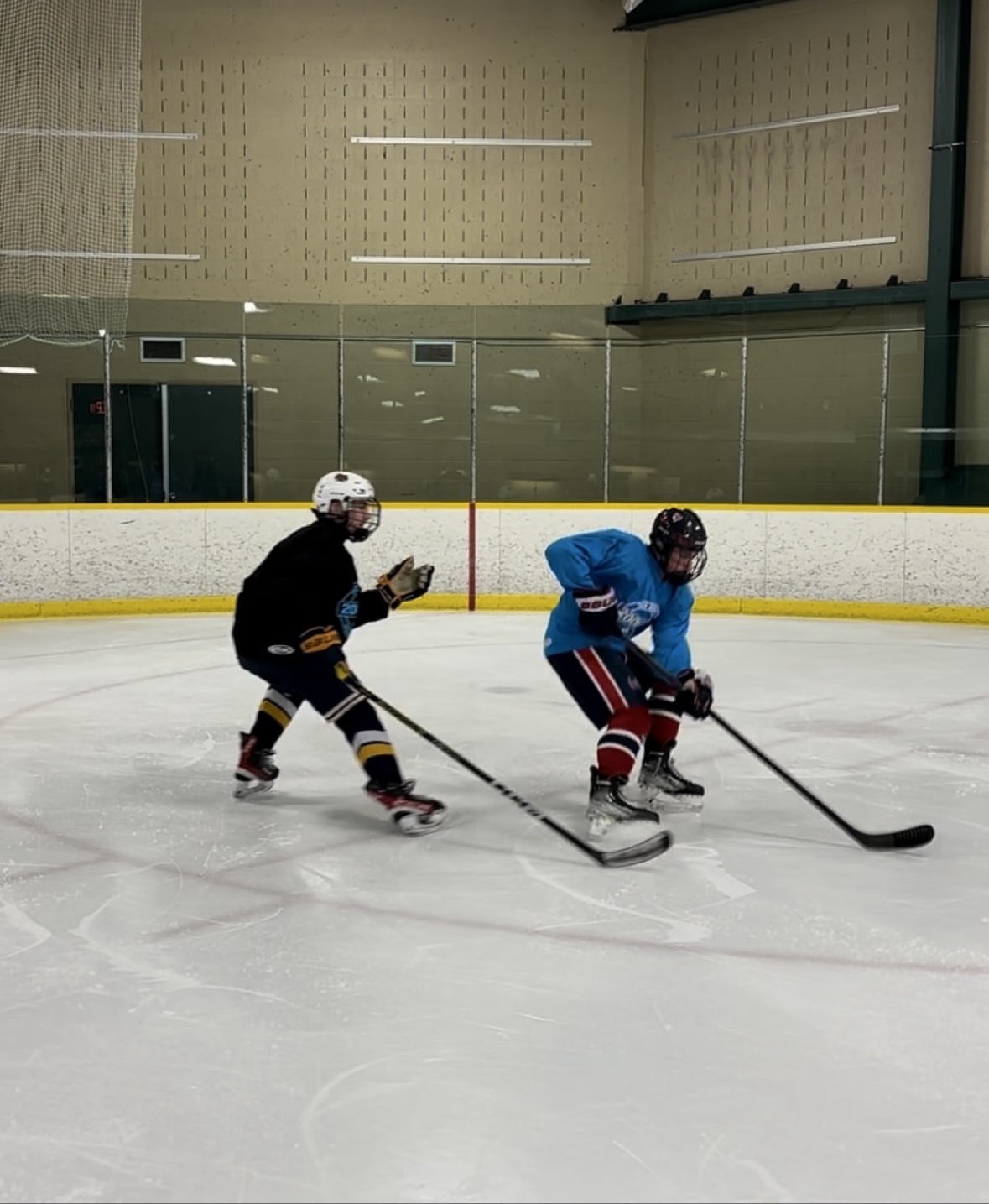
Balance, acceleration, edge control, transitions and the ability to move efficiently in hockey situations.
Evaluations & combines
A clear, game-aware view of how a player moves, handles the puck, makes decisions and competes.
Explore the evaluationThe complete picture
A useful evaluation looks beyond one result. It considers the habits and choices that help a player contribute across the full 200 feet of the ice.
Balance, acceleration, edge control, transitions and the ability to move efficiently in hockey situations.
Control, passing, receiving and shooting while moving, under pressure and with a clear purpose.
Scanning, timing, support, space recognition and the choices a player makes as the play changes.
Engagement, puck pursuit, recovery effort and the details that connect individual skill to team play.
The process
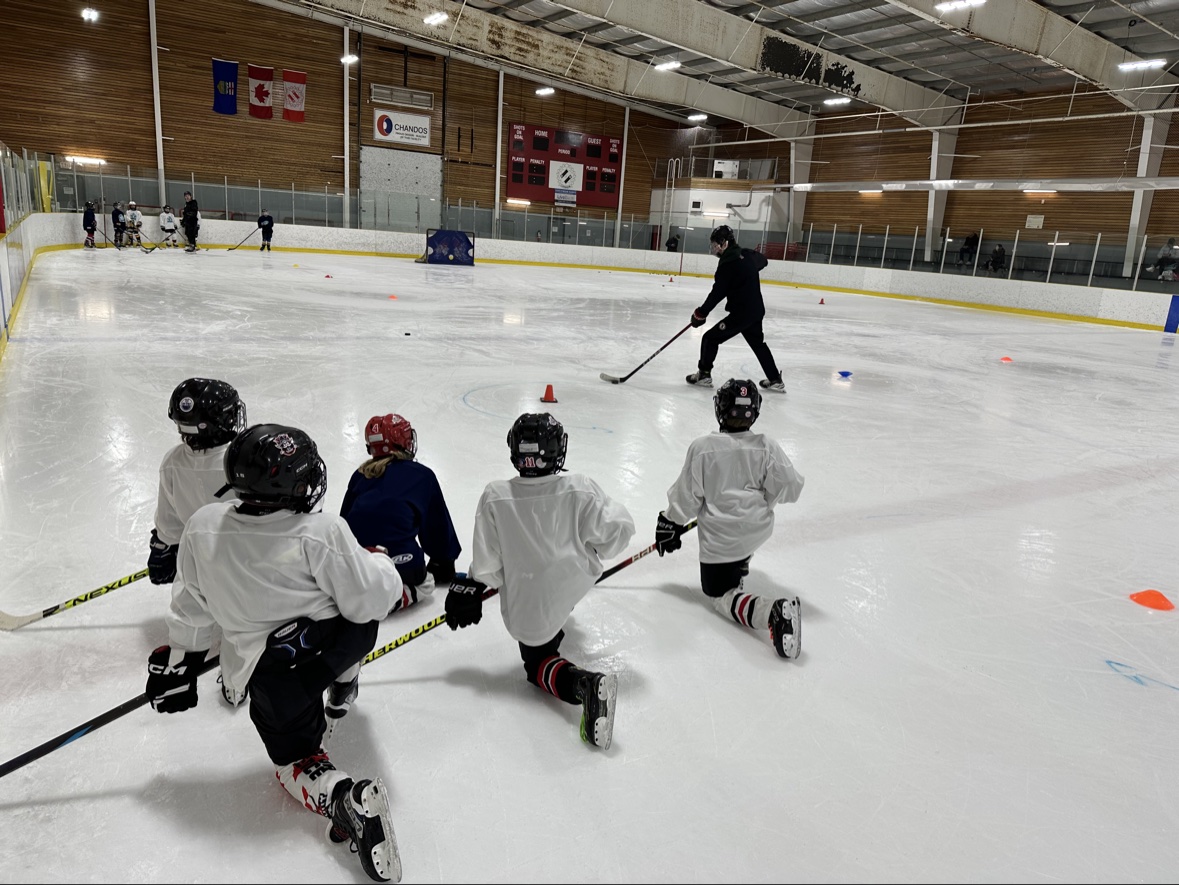
Each stage is designed to show what a player can do and where focused development can make the biggest difference.
Flexible formats
From individual feedback to a large-group selection process, the structure starts with the decisions the evaluation needs to support.
A focused assessment for players and families who want an honest view of current habits and development priorities.
A consistent evaluation environment that helps coaches and organizations compare performance across a group.
After the ice
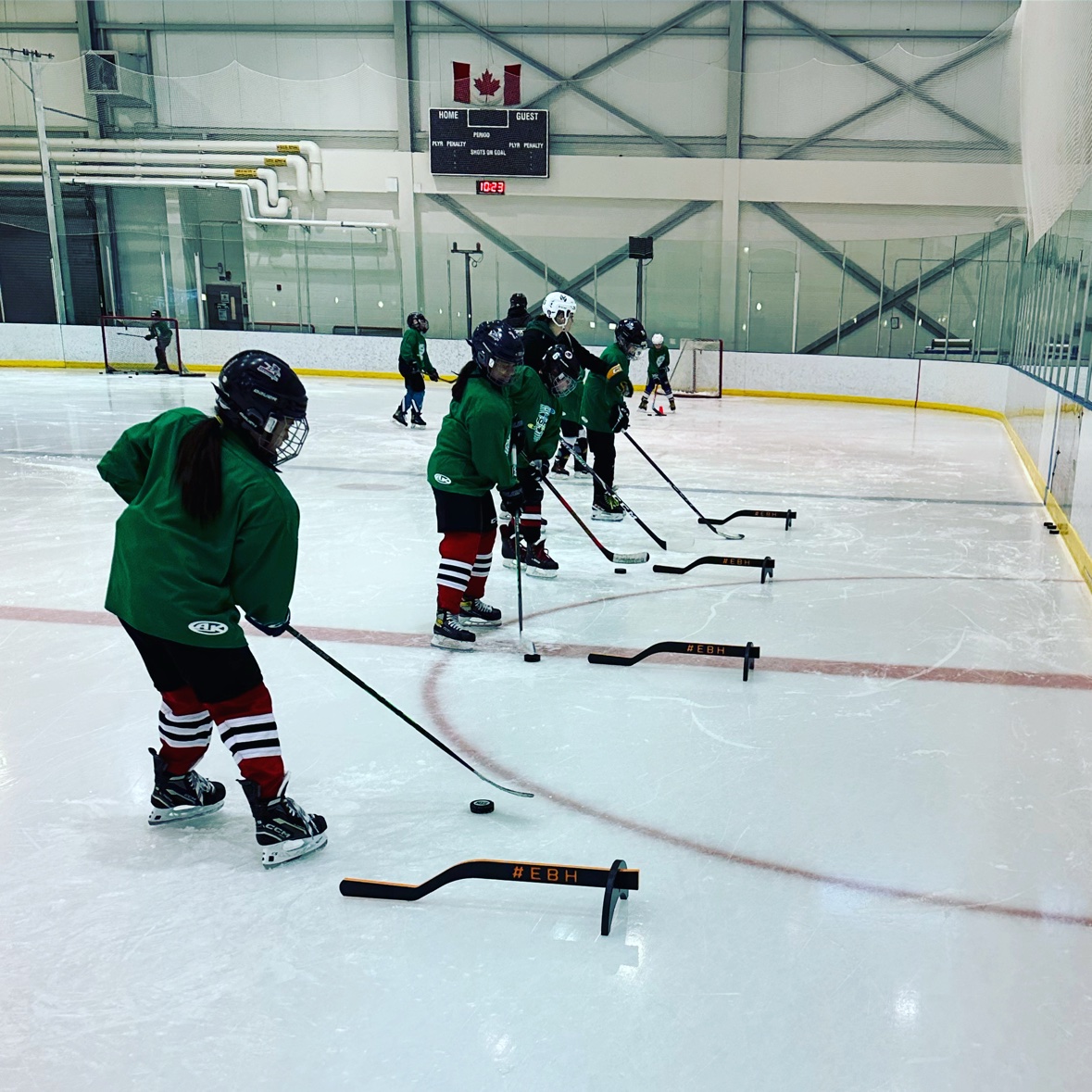
The value of an evaluation is what happens next. Observations should be understandable, connected to the game and useful for development planning.
Tell Wade who is being evaluated, the group size and what decisions the session needs to support.
Start the conversation